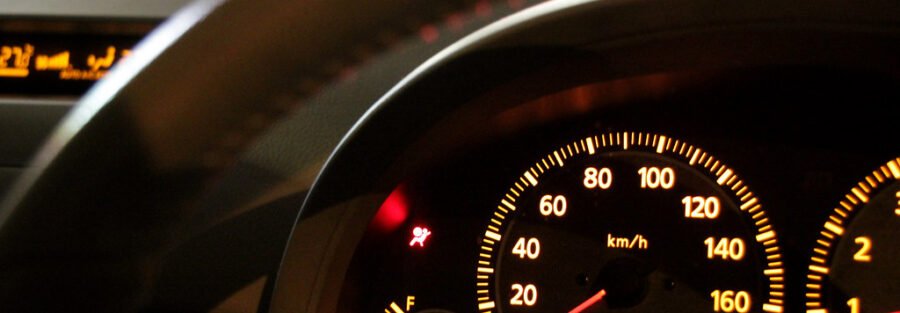
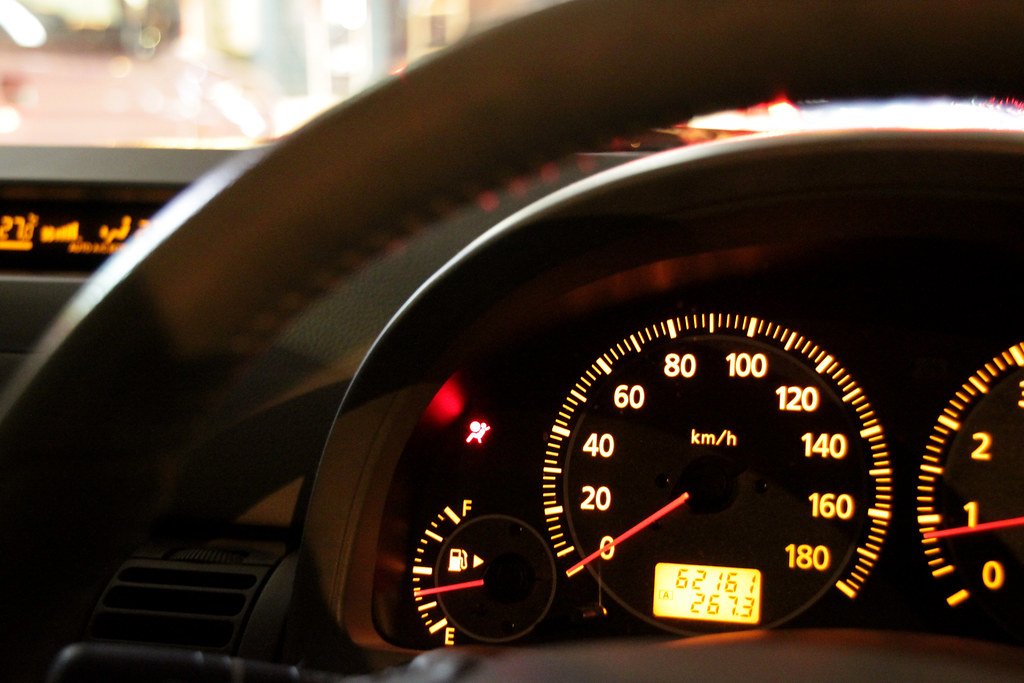
An airbag (SRS) warning light does not always mean a broken airbag. Often it means the airbag control module is still holding crash data from an earlier deployment. That data has to be cleared before the light goes out. Here is what actually triggers the light, how the reset works, and when the job truly needs a dealer.
Published by the OBDLOGIC team, a digital reseller of diagnostic software and ECU tools for independent workshops and DIY mechanics.
Key Takeaways
- An SRS light usually points to locked crash data in the airbag module, not a destroyed airbag (MyAirbags, 2026).
- A reset typically runs $50 to $150. A full module replacement often runs $300 to $800 or more, and dealers can quote well beyond that (RepairPal; Safety Restore, July 2026).
- Common triggers include a blown seatbelt pretensioner, a failed clock spring, a faulty occupant or seat-weight sensor, or an actual crash event.
- A scan tool with SRS bidirectional functions, or dedicated SRS reset software, can clear the fault once you find and fix the underlying cause.
- A technical service bulletin filed with NHTSA calls for a full SRS verification test with a scan tool after any airbag service, before the vehicle goes back on the road.
What Does an Airbag (SRS) Light Actually Mean?
The Supplemental Restraint System, or SRS, is the airbag control module plus every sensor feeding it. That includes impact sensors, seatbelt pretensioners, seat-weight sensors, and the clock spring that carries signals through the steering column. The module watches all of it constantly. The light comes on the moment it spots something outside normal range.
That is why the same light covers two different situations. Sometimes it is a real electrical fault: a broken sensor, a corroded connector, a bad clock spring. Other times the hardware is fine, and the module is simply refusing to clear a stored fault code from an earlier event. Read the actual fault code first. That is what tells you which situation you are in, not the light by itself.
Why the Light Stays On After the Original Problem Is Fixed
Deployment does not usually destroy the airbag module itself. The moment a pretensioner fires or a sensor reports an impact, the module writes crash data into its own memory. That stored data is what locks the system, not deployment itself. Once that data is there, the module treats the vehicle as already crashed. The light stays on no matter what you repair around it.
A few triggers show up over and over in real shop work:
- Blown seatbelt pretensioners — the module detects the open circuit where the pretensioner used to be and logs a fault.
- Failed clock springs — if the SRS light is on alongside a dead horn or non-working steering wheel buttons, the clock spring is the usual suspect.
- Occupant or seat-weight sensor faults — the passenger seat sensor that decides whether the airbag should be active can trip the light on its own, without any prior collision.
- An actual crash event — even a low-speed impact that fires a pretensioner writes crash data the module must clear later.
Reset vs. Replace vs. Dealer: What Each Option Actually Costs
Most dealers quote a full module replacement. Dealer training focuses on a replace-and-reinstall workflow, and dealership diagnostic equipment usually can’t clear crash data on its own. That pushes the price well above what the job actually needs.
Independent repair-cost data from RepairPal puts a full module replacement, parts and labor together, at roughly $300 to $800 on common models, and well over $2,000 on some vehicles. Reset-service providers like MyAirbags and Safety Restore, who have an obvious stake in favoring reset over replacement, quote $50 to $150 for a reset instead. Both figures are worth knowing, disclosed source and all.
| Route | Typical Cost | Source |
|---|---|---|
| Independent shop or mail-in reset | $50 – $150 | Reset-service providers (MyAirbags, Safety Restore) |
| Independent-shop module replacement | $300 – $800+ | RepairPal (independent estimator) |
| Dealer replacement | Often $1,000 – $6,000+ | Dealer labor rates plus OEM parts pricing |
In other words, the module itself is rarely destroyed. What’s locked is the data inside it, and clearing data is a software problem, not a hardware one.
Software and Tools That Handle an SRS Reset
Clearing an SRS fault the right way needs one of two things: a professional scan tool with bidirectional airbag functions, or dedicated SRS/crash-data reset software built for the job. A basic code reader that only pulls generic OBD2 codes will not touch the airbag module’s stored data.
For a workshop that wants to handle this in-house instead of outsourcing it, NYO4 2017 Full Auto Repair Software is a practical option. It is a calculator-style tool built for exactly this kind of work: airbag (SRS) crash-data reset, radio code calculation, dashboard and odometer recalibration, and IMMO pin reading. One license covers several common jobs instead of just one. It is not a plug-and-play miracle fix. Some vehicles need EEPROM-level module access instead of a straight OBD2 connection, so check what your specific make and model requires before you buy.
The General Reset Process, Step by Step
The exact menus vary by tool and vehicle, but the underlying process follows the same order every time:
- Pull the actual fault code first. Confirm whether you’re dealing with a real component fault or just stored crash data, not only a lit-up light.
- Fix any real fault. Replace a blown pretensioner, repair a corroded connector, or replace a failed clock spring before touching the reset function.
- Connect a scan tool or SRS software that supports your vehicle’s airbag module. Coverage varies by make, model, and module type, so confirm compatibility first.
- Clear the stored crash-data fault code through the tool’s SRS or airbag menu.
- Run a full SRS verification test with the same tool to confirm every sensor and pretensioner circuit reports normal.
- Take a short test drive and recheck the light. If it comes back, the underlying fault was not actually fixed.
When You Should Not Try This Yourself
A reset clears stored data. It does not repair a genuinely faulty sensor, a corroded connector, or damaged wiring. Resetting the light without fixing the underlying cause hides a real fault instead of solving it. An airbag system that looks fine on the dash but was never actually repaired will not perform in a real crash.
A technical service bulletin filed with NHTSA lays out the industry’s own standard here: after any SRS component service, run a full SRS verification test with a scan tool before the vehicle goes back on the road (NHTSA-indexed technical service bulletin). It’s a manufacturer procedure, not a law, but it is the accepted bar for calling the job done. Confirm the real cause, fix it, then reset and verify. Skipping straight to a reset because the light is annoying is the one shortcut worth avoiding.
Frequently Asked Questions
How much does it cost to reset an airbag light?
An independent shop or mail-in reset service typically runs $50 to $150. Replacing the module instead, parts and labor together, typically runs $300 to $800 on common models, and dealers often quote well beyond that.
Can I reset an airbag light with a generic OBD2 scanner?
A generic code reader can usually show that an SRS fault exists. But clearing stored crash data needs a scan tool with airbag bidirectional functions, or dedicated SRS reset software.
Will the airbag light come back on after a reset?
Yes, if you didn’t actually fix the underlying cause. A reset clears the stored fault; it does not repair a bad sensor, a failed clock spring, or damaged wiring on its own.
Is resetting an airbag light the same as disabling the airbag?
No. A proper reset clears logged crash data so the system can resume normal monitoring. Disabling or bypassing a genuinely faulty airbag system is a different, unsafe shortcut, and not what this guide describes.
Conclusion
An SRS light almost always comes down to one of two things: a real fault that needs repair, or locked crash data that needs a proper reset. Diagnose which one you have before spending dealer money on a replacement the module may not actually need.
For workshops handling this in-house, check OBDLOGIC’s NYO4 2017 Full Auto Repair Software listing, or browse the full Automotive Software catalog for other diagnostic tools.